All Categories
Featured
Table of Contents
- – Medicare Developments in 2026 for Californians
- – The Status of Medi-Cal in 2026
- – Coordinating Dual Eligibility in Orange
- – Provider Networks and Access to Care in 2026
- – Enrollment Periods and Important 2026 Deadlines
- – Long-Term Care Planning in the Current Environ...
- – Conclusion of the 2026 Healthcare Review
Medicare Developments in 2026 for Californians
The year 2026 marks a period of significant transition for healthcare beneficiaries across California. Federal updates to Medicare, driven by legislation passed in previous years, are now fully active, changing how residents in Orange manage their medical expenses. One of the most noticeable shifts involves the direct negotiation of prices for several high-cost medications. This change aims to lower the financial burden on seniors who depend on specific drugs for chronic conditions.
For those living in Orange, the annual out-of-pocket cap for prescription drugs is a major relief. In 2026, this limit remains at $2,000 for Part D plans. Once a person reaches this spending threshold, they are not required to pay any further copayments for covered medications for the rest of the calendar year. This predictability helps individuals on fixed incomes plan their monthly budgets with more accuracy. Many residents are finding that their current coverage benefits from expertise in Harmony SoCal Insurance Services Orange when reviewing their annual options.
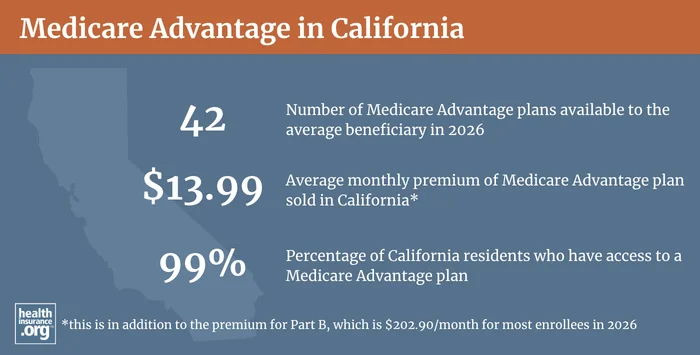
Medicare Advantage plans, also known as Part C, continue to be a popular choice in Orange. In 2026, these private plans are focusing more on supplemental benefits that go beyond standard doctor visits. It is common to see plans offering stipends for healthy groceries, transportation to medical appointments, and even minor home modifications to prevent falls. These additions reflect a growing trend toward "whole-person" care that addresses the environment where a person lives, not just their medical diagnoses.
The Status of Medi-Cal in 2026
California has long been a leader in expanding Medicaid, known locally as Medi-Cal. By 2026, the state has fully implemented the removal of asset limits for all Medi-Cal programs. This change is particularly relevant for seniors and individuals with disabilities in Orange. Previously, having a certain amount of savings or owning property could disqualify someone from receiving benefits. Today, eligibility is determined primarily by income, allowing residents to retain their homes and modest savings while still accessing necessary health services.

The CalAIM initiative, which stands for California Advancing and Innovating Medi-Cal, is now in its mature stages during 2026. This program has moved Medi-Cal toward a system that prioritizes preventative care and social supports. For residents in Orange, this means access to Enhanced Care Management. This service provides a lead care manager to coordinate between different doctors, mental health providers, and social services. It is designed for those with complex needs who often find the healthcare system difficult to navigate.
The expansion of Medi-Cal has also brought behavioral health to the forefront. In 2026, there is a greater emphasis on integrating mental health services into primary care settings. Individuals visiting a clinic in Orange might find that their primary doctor and a mental health counselor work as a single team. This helps reduce the stigma often associated with seeking help and ensures that physical and mental health are treated with equal importance.
Coordinating Dual Eligibility in Orange
A large segment of the population in Orange qualifies for both Medicare and Medi-Cal. These individuals, often called "dual eligibles," have access to some of the most comprehensive coverage available, but managing two sets of rules can be difficult. Recent studies suggest that Harmony SoCal Insurance Services Orange County Resources has become a standard requirement for navigating these state-run programs. In 2026, the state has pushed for more integrated D-SNP (Dual Eligible Special Needs Plans) to simplify the process.
These integrated plans allow a single insurance carrier to manage both Medicare and Medi-Cal benefits. For a resident in Orange, this means having one insurance card and one point of contact for all medical questions. These plans often cover the costs that Medicare usually leaves to the patient, such as the 20% coinsurance for doctor visits or the costs of long-term care in a skilled nursing facility.
In 2026, California is also focusing on the "In-Home Supportive Services" (IHSS) program as part of the Medi-Cal benefit package. This allows seniors and people with disabilities to remain in their homes in Orange rather than moving to an institutional setting. IHSS pays for caregivers to assist with daily tasks like meal preparation, bathing, and cleaning. This program is a cornerstone of the state's plan to help the aging population maintain independence and dignity.
Provider Networks and Access to Care in 2026
Accessing a doctor remains a primary concern for residents in Orange. In 2026, the healthcare workforce in California is adapting to new demands. Telehealth has moved from being an emergency measure to a standard part of medical practice. Whether a patient lives in Orange, they can often consult with specialists in larger cities without the need for long commutes. This has been especially helpful for those with mobility issues or those who lack reliable transportation.
Medical groups in Orange are also participating in "Value-Based Care" models in 2026. Unlike older models where doctors were paid for every test or procedure they performed, these models reward doctors for keeping their patients healthy. This shift encourages more frequent check-ups and better management of chronic diseases like diabetes or hypertension. Healthcare providers often suggest looking into the benefits of Harmony SoCal Insurance Services in Orange CA to ensure all medical needs are met.
Wait times for specialists can still vary, but the 2026 landscape shows improvement due to the increased use of nurse practitioners and physician assistants who have expanded roles in California. These professionals often handle routine follow-ups and minor illnesses, freeing up specialists to see patients with more complex conditions. In Orange, clinics are also using advanced scheduling software to help fill cancellations quickly, ensuring that fewer appointments go to waste.
Enrollment Periods and Important 2026 Deadlines
Staying on top of the calendar is necessary for anyone looking to change their health coverage in 2026. The Medicare Annual Enrollment Period runs from October 15 through December 7. This is the time when residents in Orange can switch from Original Medicare to a Medicare Advantage plan, change their drug coverage, or move between different private insurance carriers. Any changes made during this time go into effect on January 1 of the following year.
There is also the Medicare Advantage Open Enrollment Period, which takes place from January 1 to March 31. This period is specifically for people who are already enrolled in a Medicare Advantage plan but wish to switch to a different one or return to Original Medicare. In Orange, insurance advisors often emphasize that this is a "second chance" window for those who realize their chosen plan for 2026 does not cover their preferred doctors or medications.
Medi-Cal enrollment, on the other hand, is open year-round. There is no specific window for applying if a resident meets the income requirements. However, those already on Medi-Cal in Orange must participate in the annual redetermination process. This is when the state verifies that the individual's income still qualifies them for the program. Missing the paperwork for redetermination can lead to a temporary loss of coverage, so keeping address and contact information updated with the local county office is vital in 2026.
Long-Term Care Planning in the Current Environment
As the population in Orange ages, the conversation around long-term care has intensified. Medicare generally does not pay for "custodial care," which includes help with daily activities over a long period. Many residents mistakenly believe that their Medicare plan will cover a stay in an assisted living facility. By 2026, more people are turning to the expanded Medi-Cal benefits to fill this gap.
The 2026 rules for Medi-Cal allow for "spousal impoverishment" protections. If one spouse needs to move into a nursing home, the spouse staying at home in Orange is allowed to keep a higher amount of income and assets to maintain their standard of living. This protection is a major part of the California healthcare safety net, ensuring that a medical crisis for one person does not result in financial ruin for their partner.
Additionally, some residents in Orange are looking into "hybrid" insurance policies that combine life insurance with long-term care benefits. While these are private products and not part of the state or federal programs, they are often discussed in conjunction with Medicare planning. In 2026, the focus for many families remains on staying at home for as long as possible, utilizing the community-based services that have been strengthened by recent California legislation.
Conclusion of the 2026 Healthcare Review

Navigating the options available in 2026 requires attention to detail. Between the federal changes to Medicare drug pricing and the state's removal of Medi-Cal asset limits, the opportunities for coverage have expanded. Residents in Orange have access to more coordinated care than in previous decades. By understanding the enrollment timelines and the specific benefits of each program, individuals can ensure they receive the medical support necessary for a healthy life in California. Consistent communication with local health offices and reviewing plan documents annually remains the best way to stay informed in this evolving system.

Table of Contents
- – Medicare Developments in 2026 for Californians
- – The Status of Medi-Cal in 2026
- – Coordinating Dual Eligibility in Orange
- – Provider Networks and Access to Care in 2026
- – Enrollment Periods and Important 2026 Deadlines
- – Long-Term Care Planning in the Current Environ...
- – Conclusion of the 2026 Healthcare Review
Latest Posts
How Local Economic Trends Affect Orange Insurance Rates
Why Personalized Consultations Save Harmony Socal Insurance Clients More Money
Latest Posts
How Local Economic Trends Affect Orange Insurance Rates
Why Personalized Consultations Save Harmony Socal Insurance Clients More Money